Flavor Innovation in Oral Pouches: Trends & Consumer Preferences

Flavor Innovation in Oral Pouches: Trends & Consumer Preferences

As the oral pouch market continues building momentum, flavor has become one of the key product differentiators. Flavored options accounted for nearly 90% of nicotine pouch sales in 2024, with consumer data showing a clear preference for flavored nicotine, energy, and nootropic pouches alike. Given this strong consumer demand, it’s crucial for product developers, brand managers, and especially newcomers to the oral pouch market to closely examine flavor trends and their impact on product differentiation and user retention.

Evolving Consumer Flavor Preferences in Oral Pouches

For years, consumer tastes in the nicotine pouch market have evolved well beyond standard mint or tobacco flavors. Those same trends now similarly impact the nicotine-alternative and wellness markets. Today, customers expect almost any oral pouch product to offer a diverse assortment of flavors, ranging from familiar favorites to innovative, unexpected combinations.

To better meet consumers’ increasingly sophisticated tastes, flavor developers specialize in several unique flavor categories:

Sweet and indulgent.

Manufacturers of nicotine, energy, and wellness oral pouches have all experienced sustained market demand for sweet, even dessert-like flavors, including berry, cola, and emulations of popular candy brands.

Tart and sour.

Zesty, tangy flavors have risen in popularity, especially among youth markets. Lemon, cherry lime, and sour apple are also good alternatives to combat “flavor fatigue” associated with strong, sometimes overpowering flavors.

Natural flavor profiles.

Nootropic and wellness brands in particular experience demand for sophisticated herbal infusions and refreshing blends of mint and cucumber.

Exotic flavors.

Unexpected flavors, such as tamarind, yuzu, and mango-chili, help capture the attention of consumers seeking something novel and adventurous.

Industry Trends and Drivers Influencing Flavor

Some key trends shaping how consumers look for and purchase oral products include:

Clean, natural ingredients.

For both traditional and wellness brands, consumers often opt for natural, clean-label formulations (such as real fruit and botanical extracts) where available. Using functional flavor pairings can also enhance the consumer’s experience.

Novelty seeking.

Flavor innovations help oral pouch brands stay relevant by reducing “flavor fatigue” and continuously introducing novelty. Limited-edition or seasonal flavors, in particular, create a sense of urgency, offering consumers fresh experiences that boost engagement.

Global and regional influence.

Local flavor trends often intersect with international preferences, presenting opportunities to blend familiar regional tastes with globally popular profiles. Younger generations are often driven toward a blend of traditional and bold, novel flavors, giving rise to flavors like spicy cola, kombucha, and matcha.

Cross-Industry Flavor Insights and Examples

Below are some key ways flavor trends and preferences play out in major markets:

Nicotine pouch trends.

Nearly 90% of sales are flavored, with mint on top, followed by a trend toward layered/blended flavors, such as berry-lemon-mint.

Experiential products.

The taste of lavender tends to induce a feeling of calm, while mint is often associated with energy. These are the types of considerations an experienced food-flavoring expert can help with and establish greater brand recognition.

Energy blends.

Bold, sweet flavors continue to inspire taste-forward and familiar concoctions. Many energy pouch brands thus emphasize fun, hype-driven tastes.

Functional and wellness products.

Wellness brands often use potent, but simple flavors (like citrus or cherry) to signal certain functional benefits and a product’s emphasis on traditional, whole foods ingredients. In some cases, strong flavorings (e.g., ginger and spice blends) are ideal, as for bitter active ingredients.

Daily Manufacturing Solutions Flavor Innovation Capabilities

5000+ flavor library and custom R&D.

Our extensive flavor catalogue allows us to quickly execute almost any flavoring goal. It also allows us to customize unique flavor blends to maintain brand differentiation and better align with a brand’s identity.

Flavor-masking and formulation expertise.

Daily Manufacturing Solutions flavor experts are well-versed in masking harsh active compounds, such as nicotine, B vitamins, or caffeine.

Premium ingredients.

By emphasizing high-quality, clean-label ingredients, we’ve earned trust among oral pouch brands, offering superior batch consistency for both rapid prototypes and full production.

Cross-category product development.

We also provide comprehensive oral pouch product development services, with experience serving the energy, nicotine, and nootropic pouch markets and aligning flavor profiles accordingly.

Partnership-driven approach to innovation.

Our collaborative, trend-based approach to flavor consultations positions us to ensure our clients achieve an effective market niche, using signature flavor profiles that reinforce brand position.

Flavor is now indispensable for oral pouch manufacturers seeking greater market share. Our comprehensive flavoring and product development services come backed by extensive trade expertise and research into market trends affecting consumer tastes and preferences.

Contact us or request a quote to explore Daily Manufacturing Solutions unique flavor concepts and see how they can enhance your products.

How to Start a Nicotine Pouch Brand: Step-by-Step Guide

How to Start a Nicotine Pouch Brand: Step-by-Step Guide

Nicotine pouches continue to rise in popularity as an alternative to tobacco products, making the market for smoke-free nicotine products an excellent opportunity for new brands. In fact, the global nicotine pouch market reached approximately $2 billion in 2022 and is projected to grow around 35% annually through 2030.

If you’re considering entering this market, this guide can help you launch your nicotine pouch brand successfully. We’ll cover key steps from initial market research to manufacturing, all of which are essential for turning your concept into a thriving business.

Market Demand & Research

The first step in launching a nicotine pouch business involves validating strong market demand. Fortunately, this market is booming due to changing consumer habits and a growing number of people seeking tobacco alternatives.

Thorough market research is crucial. Assess industry growth trends, identify target demographics such as nicotine-using Gen Z consumers or smokers seeking alternatives, and study existing competitors’ products and pricing. This groundwork confirms your brand idea has a viable audience and reveals opportunities for differentiation in a crowded marketplace.

Product Development Basics

Once market research is complete and demand is validated, the next step is to develop a clear product concept and brand vision early on.

Brand Vision & USP.

Define what your brand stands for and how it will stand out. Determine your target audience and unique selling proposition—whether it’s a focus on premium quality, better flavors, higher (or lower) nicotine strengths, or a distinct lifestyle image. A well-defined brand vision, including name, values, and mission, guides all subsequent decisions and resonates with customers.

Initial Product Decisions.

Outline the basics of your nicotine pouch product line. Decide on nicotine strength levels to offer (e.g., 2mg, 4mg, 8mg), balancing preferences for both beginner and seasoned users. Select flavor profiles such as classic mint or wintergreen, fruit, or coffee. Determine the format and packaging style (e.g., small cans, pouches, or tubs) that fits your brand image. These early decisions drive formulation and design work.

Formulation

Next, understand the fundamentals of developing the nicotine pouch formula.

Ingredients & Quality.

Nicotine pouches typically contain a blend of high-purity nicotine (extracted from tobacco or synthetic nicotine salts), a neutral base material (usually plant-based fibers), and food-grade additives like pH adjusters, sweeteners, and flavorings. Emphasize using quality ingredients for a consistent, enjoyable user experience.

R&D and Testing.

Work with formulation experts or a lab to finalize the right recipe. Through research and development, iterate to achieve the desired nicotine release, texture, and flavor intensity while meeting safety and regulatory standards. This step is crucial for creating a pouch that tastes good, is chemically stable, and complies with regulations (e.g., proper nicotine content, food-safe ingredients).

Flavor Development

Flavor plays a crucial role in your product’s success, as most consumers choose nicotine pouches based on flavor.

Offer a compelling variety by selecting a core flavor range; while mint is a staple, consider fruit, citrus, coffee, or even novelty flavors to stand out. Aim for flavors that appeal to your target market’s tastes and consider emerging trends. Ensure flavorings are high-quality and do not overpower or irritate.

Flavor variety and enjoyment are major selling points—a great-tasting pouch can set your brand apart. Plan to test and refine flavors, possibly conducting sampling with your target audience before finalizing your lineup.

Branding & Packaging

Develop packaging that is both attractive and compliant.

Design for Brand Appeal.

Create branding and packaging design that reflects your brand identity and appeals to customers at a glance. This includes a memorable logo, color scheme, and a well-designed container (slim cans or tins are common) that stands out on shelves. Packaging should be professional and functional—for example, easy to carry, with secure lids to keep pouches fresh. Consider eco-friendly or innovative packaging materials if they suit your brand image.

Packaging Compliance.

Ensure your packaging meets all regulatory requirements and practical needs. This means using the proper size and format for legal labels, such as the nicotine addiction warning, ingredient list, and age restriction notice, and possibly child-resistant features if required. Every nicotine pouch can or box must include mandated warnings and be sealed to prevent tampering. Plan for package testing to verify that your chosen packaging protects the pouches from damage, heat, and moisture during shipping and storage.

Regulatory Compliance

Nicotine products are heavily regulated, so full compliance is essential before going to market.

Laws & Labeling.

Research the laws governing nicotine pouches in your target market (e.g., in the U.S., the FDA regulates these as tobacco products). Ensure your product formula uses only permitted ingredients and that your labeling meets all requirements, including proper nicotine content disclosure, health warnings, and age restriction statements. Consulting legal experts or regulatory consultants is wise to navigate any required approvals or notifications.

Quality and Safety Standards.

  • Plan to manufacture in adherence with Good Manufacturing Practices (GMP) and other quality standards. Using an FDA-registered, ISO-certified production facility is ideal to ensure pouches are made safely and consistently. Adhering to such standards not only ensures compliance but also builds trust with consumers and retailers that your product is safe and reliable.

Manufacturing & Production

When ready to produce pouches at scale, entrepreneurs should weigh the costs and complexities of setting up their own production line against partnering with an established nicotine pouch manufacturer.

For most new brands, partnering with an experienced contract manufacturer or white-label producer is the faster, more cost-effective route. An established manufacturer can transform your idea into a high-quality finished product without significant investment in expensive machinery or a production facility.

Working with a reputable manufacturing partner offers major advantages. They bring proven production processes and rigorous quality control measures to ensure each batch of pouches meets specifications. Many offer R&D support, already-optimized formulations, and packaging options, which can dramatically shorten development time.

Additionally, a contract manufacturer can usually scale production volume as you grow and may assist with related services like packaging, labeling, and logistics. The right partner has deep experience in nicotine products, compliance know-how, and the capacity to support your brand’s growth.

Partner with Daily Manufacturing Solutions for Your Private Label Needs

Launching a nicotine pouch brand is challenging, but experts are available to help. Daily Manufacturing Solutions, a contract manufacturer, can guide entrepreneurs through every step of the process—from formulation and flavoring to navigating regulatory hurdles, designing compliant packaging, and mass-producing the final product. Daily Manufacturing Solutions is FDA-registered and GMP-compliant, offering white-label services that help new brands finalize high-quality nicotine pouch products and get them to market quickly and safely. Leveraging such partnerships reinforces that you don’t have to “go it alone” in this industry and can tap into existing expertise to increase your chances of success. Request a quote today to discuss your manufacturing needs, or contact us to speak with one of our experts.

Top 5 Supplement Ingredients to Watch in 2025

Top 5 Supplement Ingredients to Watch in 2025

The golden age of supplements is here as scientific breakthroughs and consumer tastes drive faster change in the industry than ever before. That means the top supplement trends in 2025 look more sophisticated than in previous years. These present an incredible opportunity for manufacturers to capitalize on this growing demand for new supplements.

1. Postbiotics

Postbiotics are the new frontier in gut health. Created from the byproducts of healthy probiotic bacteria, postbiotics consist of peptides, short-chain fatty acids, and a range of other metabolites. These compounds may play a critical role in supporting gut health.

Benefits and Advantages of Postbiotics

Why postbiotics? These compounds have several health benefits and advantages, including:

  • Longer shelf-stability, as these byproducts are less susceptible to environmental conditions.
  • Ease of incorporation into a wide range of products, as they are not living.
  • The ability of probiotic manufacturers to make more use of the full life cycle of bacteria.

As consumers have grown more aware of their gut health, postbiotics present a new opportunity for them to support it. For manufacturers, postbiotics present many advantages of probiotics without the challenges of storing and transporting live organisms.

2. Improved Collagen Peptides

Collagen peptides are a supplement mainstay, but in 2025, they’re being updated with new scientific advances. Advanced, enhanced collagen peptides combine synergies from companion ingredients like ceramides, hyaluronic acid, antioxidants, and more. These create multifunctional supplements supporting hydration, skin elasticity, gut health, and more.

Benefits and Advantages of Improved Collagen Peptides

Here are some of the reasons why consumers are turning to new collagen peptides:

  • Consumers are more understanding of collagen’s benefits to their whole body, including beauty and heart and joint health.
  • Improved collagen peptides can deliver combined benefits in one supplement.

Improved peptides present new challenges and opportunities for consumers and manufacturers alike as new formulas enter the market and both sides seek out their optimal benefits.

Improved Collagen Peptides
Functional Fungi

3. Functional Fungi

Some of the most intriguing life on earth are fungi, and they’re starting to yield their secrets to today’s supplement consumers and manufacturers. Mushrooms like reishi, lion’s mane, chaga, cordyceps, and more are packed with healthy adaptogens that lower stress, improve cognition, and more.

Benefits and Advantages of Functional Mushrooms

After many years, functional mushrooms are having their moment for the following reasons:

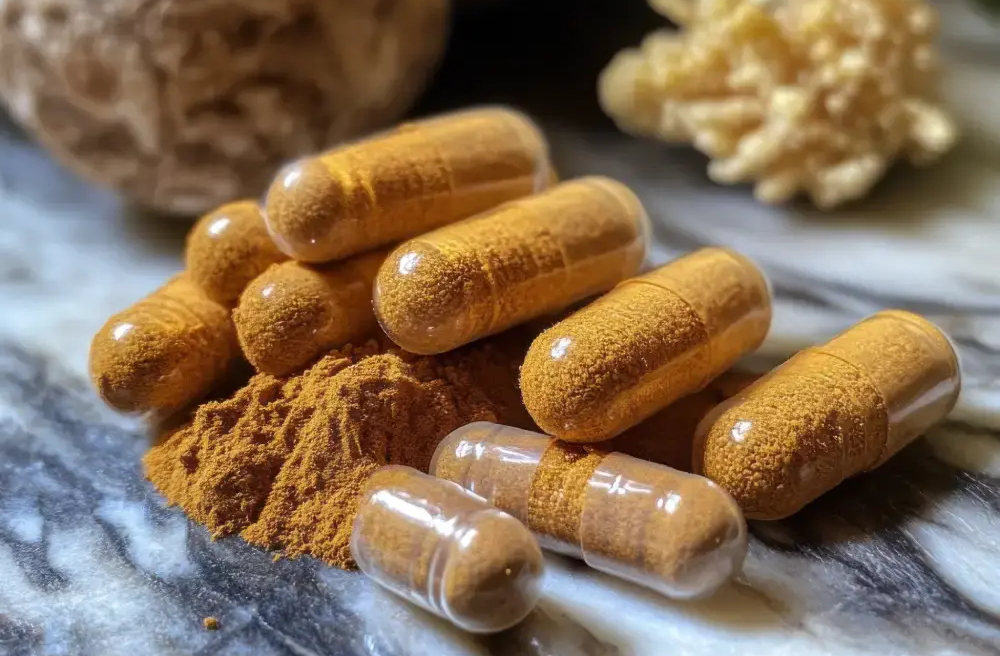
  • Mushroom compounds are highly versatile and can be added to powders, capsules, gummies, and more.
  • New scientific discoveries add to the list of functional compounds we can use from mushrooms.
  • Active compounds from mushrooms can survive storage long-term, making them highly shelf stable.

Functional mushrooms possess numerous benefits that are only now being discovered and harnessed. These represent a new, exciting frontier for supplement manufacturers and consumers.

4. Plant-Based Omega-3s

By now, many supplement consumers know the benefits of omega-3 fatty acids. Now, they can choose from plant-based omega-3s, allowing vegan, vegetarian, and environmentally conscious consumers to consume more critical supplements.

Benefits and Advantages of Plant-Based Omega-3s

Brands and consumers have much to gain from plant-based omega-3s, including the following:

  • Many plant-based omega-3s are made from algae, appealing to sustainable consumers and producers.
  • More people with dietary restrictions can consume plant-based omega-3s.
  • Just like animal-based omega-3s, plant-based omega-3s can be consumed in various forms.

Plant-based omega-3s shake up a supplement stand-by and can open this essential nutrient to more consumers, creating a significant opportunity for manufacturers.

5. Adaptogenic Blends

Adaptogens like ashwagandha, rhodiola, and holy basil have been gaining popularity for their ability to help the body adapt to stress. In 2025, expect to see these ingredients combined into powerful blends targeting specific concerns such as stress relief, hormonal balance, or improved focus. These blends are appealing when paired with other trending ingredients like nootropics or functional mushrooms.

Adaptogens, natural compounds that can aid in stress relief and management, are at the cutting edge of scientific research into new supplements. Consumers are also exploring what these offer, making them a significant new trend for the supplement industry.

Benefits and Advantages of Adaptogenic Blends

Many of the benefits of adaptogenic blends are only now being realized and include the following:

  • Adaptogens can be harvested with minimal processing from natural sources.
  • Nootropics, functional mushrooms, and other supplement superstars can be combined with adaptogens.
  • Consumers are looking for natural ways to relieve stress, which adaptogens offer.

As hectic modern lifestyles place more demands on consumers, manufacturers have a substantial opportunity to become early leaders in the growing adaptogenic market.

Adaptogenic Blends

Positioning to Succeed in the 2025 Market

Supplement manufacturers looking for a new market with a high growth potential can look to new, in-demand ingredients. Consumers are becoming more knowledgeable about supplements with higher expectations, allowing manufacturers to run wild with ideas to serve the market best.

Create a Supplement for 2025 with Daily Manufacturing Solutions

If you’re ready to launch your supplement product with some of 2025’s hottest ingredients, Daily Manufacturing Solutions is ready to help. With our services, we can handle all manufacturing for your product to bring it to market with a minimal investment in your production abilities.
Contact us today if you’re interested in launching your new product. We can also provide you with pricing information if you request a quote for our services!

Clean Label Supplements: The Health-Conscious Choice

Clean Label Supplements: The Health-Conscious Choice

Clean-label supplements have emerged as a new trust, safety, and quality standard for health-conscious consumers. The clean label movement in a largely unregulated industry allows consumers to hold manufacturers accountable. Those passionate about what they put in their body want to ensure their supplements are what manufacturers claim.

The clean label movement, anchored by the Clean Label Movement, is changing the way the supplement industry operates. Today’s manufacturers must understand the movement’s expectations and best practices to compete in today’s market. Even if a manufacturer isn’t targeting the clean label market, practices from the movement can help a brand appeal to all consumers.

Clean Label Supplements

What Are Clean Label Supplements?

While there isn’t a formal definition for clean-label supplements, the Clean Label Movement outlines a few principles. Clean label supplements typically use simple, natural ingredients and feature transparent labeling. They avoid artificial ingredients, dyes, and preservatives and stick to natural ingredients consumers recognize. Some key principles of the clean-label supplement movement include the following:

Minimal Processing

The emphasis on all-natural ingredients extends to reducing the amount of processing to create clean-label supplements.

No Artificial Ingredients

Non-natural ingredients, such as sweeteners, colors, and flavors, are often excluded from clean-label supplements.

Allergen-Sensitive

Many clean-label supplements avoid ingredients that can trigger allergies, such as peanuts, soy, gluten, or dairy.

With shorter, more straightforward lists of all-natural ingredients and full disclosure of their ingredients, clean-label supplement manufacturers aim to win the trust of choosy consumers.

Why Do Consumers Choose Clean Label Supplements?

Consumers have become more informed about food manufacturing practices, so their eyes have naturally turned to the supplement industry. In an often opaque and unregulated industry, consumers can struggle to find out what’s really in their supplements. For health-conscious consumers, that is unacceptable and something they aim to rectify through clean labels.

Through the clean label movement, consumers aim to achieve the following:

Health Benefits – Consumers often believe they can realize improved health benefits from their supplements by avoiding artificial additives.

Improved Transparency – With added pressure on manufacturers, consumers can encourage improved manufacturer transparency, elevating trust.

Sustainability and Ethics – Clean-label consumers often place a premium on sustainable ingredients that have been ethically sourced.

Common Ingredients in Clean Label Supplements

With a set of conditions consumers impose, clean-label supplement manufacturers often draw from a common set of basic ingredients. These are chosen for their natural potency and ability to deliver flavor, color, and nutrition with minimal processing. Supplements often use natural flavorings such as fruit powders, herbs, spices, agar, and more.

Challenges and Opportunities for Clean Label Supplement Manufacturers

As the clean-label supplement movement gains traction, manufacturers have numerous opportunities to distinguish themselves among consumers. However, they also may face challenges in sourcing low-cost inputs for their supplements. Manufacturers may also find they are trying to hit a constantly moving target, as what counts as “clean” is open-ended.

However, manufacturers that embrace clean labels, or elements of them, also have the chance to adopt best practices that can help them compete across market segments. By moving to meet the demands of this new market, manufacturers can also position themselves for continued success tomorrow.

Clean Label Supplement Manufacturing Services from Daily Manufacturing Solutions

Daily Manufacturing Solutions is a leader in the supplement industry and is ready to serve as your contract manufacturing partner. We offer a wide range of services and can help you design and produce your clean label supplement products with our state-of-the-art facilities.

Contact us today, and we can discuss your clean label manufacturing needs. You can also request a quote if you are ready to receive pricing information.

How Nicotine Pouches Are Made

How Nicotine Pouches Are Made

Nicotine pouches are small dissolvable packets that contain varying amounts of nicotine. Consumers can place nicotine pouches between their upper lip or lower lip and their gum, making them a convenient and versatile alternative to conventional nicotine products.

To deliver appealing nicotine pouches that align with the consumer experience, it’s important to tailor every element of the product. Take a closer look at the core components of nicotine pouches and how they’re made.

What Are Nicotine Pouches Made Of?

Nicotine pouches are relatively simple to construct and use. Every nicotine pouch is made of these seven core elements:

Pouch

These pre-filled pouches contain the nicotine substrate and fillers. Manufacturers use organic cellulose compounds to create non-woven fleece that the nicotine substrate can pass through. Material thickness determines the speed of release.

Nicotine

Manufacturers use a pharmaceutical-grade nicotine product extracted from tobacco plants. Each pouch typically contains between 1 and 6 milligrams of nicotine, although extra-strength options are available. Adding food-grade flavors like berry, coffee, or cinnamon can enhance the taste of nicotine products.

Binders and Fillers

Binders and fillers make up the bulk of the pouch’s contents and impact nicotine release. Most binders and fillers use gums, hydrophilic chemicals that control humidity, and white cellulose powder that absorbs and holds the nicotine before consumption.

Stabilizers

Stabilizers like vegetable glycerin and propylene glycol bind individual ingredients together to achieve the desired consistency and moisture. They also enhance the flavor of nicotine products.

pH Buffers

Adding pH buffers with a sodium carbonate base helps nicotine products maintain the right pH level, so the nicotine is released as desired. Ideally, the pH should stay under 9.1 to avoid irritation of the gums and mouth.

Water

Nicotine pouches have some water present to create optimal conditions for nicotine release and consumption.

How Are Nicotine Pouches Made?

Just like nicotine pouches are made from a specific combination of ingredients, they also require specific production processes to guarantee quality and enjoyment. These processes are typically automated to handle varying product volumes with ease.

Nicotine extraction and purification. Manufacturers extract nicotine from tobacco plants by using a solvent (such as ethanol). They then purify the extracted nicotine to achieve pharmaceutical-grade quality.

Mixing ingredients and flavor blending. Next, manufacturers blend the nicotine with essential oils, flavors, binders, and sweeteners.

Moisture control. Manufacturers must tightly control and maintain the moisture content of the pouches after mixing (semi-moist pouches will be softer and easier to consume, semi-moist pouches will last longer).

Quality inspection. Inspections and tests check moisture content, nicotine, flavor consistency, and quality. They also confirm products comply with industrial standards.

Packaging. The nicotine mixture fills mini, small, or large pouches and seals them on both ends to prevent leakage during transport.

Storage. Pouches must be stored in a cool, dry place after manufacturing to maximize their lifespan and maintain freshness.


Nicotine Pouch and E-Liquid Manufacturing Services From Daily Manufacturing Solutions

Daily Manufacturing Solutions is a leading source of contract manufacturing for a range of consumable goods, including quality nicotine pouches and additional nicotine-based goods like e-liquids. We use state-of-the-art technology to handle large volumes while maintaining precision. Contact us today to discuss the specifics of your nicotine pouch or e-liquid projects or request a quote for pricing information.

Contract Manufacturing vs. Private Label

Contract Manufacturing vs. Private Label

Both contract manufacturing and private labeling provide effective assistance in developing and selling new products for a range of business. While the services appear similar, there are several major differences bewteen the two that are critical to understand when choosing a service for you business.

Both have an end objective of manufacturing high-quality solutions, but the mechanisms for reaching this aim have some fundamental variances. This blog post covers private label vs. contract manufacturing and details their advantages and disadvantages.

Contract Manufacturing vs. Private Label

To help you determine which service best suits the needs of your business, we have provided a comparison of contract manufacturing and private labeling.

Contract Manufacturing

In contract manufacturing, a company enters into an agreement with a manufacturer to produce a specified quantity of goods by a specified date. The business sends a detailed list of specifications to the manufacturer, allowing them to create the product in its facilities. Although the manufacturer may offer guidance and recommendations based on their experience, the corporation maintains full control and responsibility for the quality of the final product.

Contract manufacturing gives you and your business complete creative freedom with the final product. You will have the final say over product presentation, including labeling and packaging, and you can dictate the quality assurance procedures the manufacturer must follow.

Advantages

Some of the benefits of contract manufacturing include:

  • Product Control: As you provide the production specifications, you retain greater control over the end product, allowing you the ability to make adjustments and decisions as you see fit.
  • Differentiation: Using your own custom formulation allows you to create a unique product that stands out from the competition.
  • Access to expertise: You can tap into the knowledge and experience of contract manufacturers, who are well-versed in a wide range of production methods and can provide invaluable advice and direction.

Disadvantages

In contract manufacturing, you will face higher startup costs and your product may take longer to develop.

Private Label

Private label manufacturing is comparable to contract manufacturing, but with one major difference: you do not have control over the formula or the manufacturing process. When you use private label manufacturing to source a product, the manufacturer has already developed and potentially produced the item for other businesses, and you are simply putting your label on it. Manufacturers in this case have authority over the finished product, its specifications, and production methods.

Private label manufacturing involves a manufacturer creating a product under your business’ brand name after they’ve finalized the specifications of the product. The manufacturer has the final say on the product’s features and manufacturing.

Private Label

Advantages

Private label manufacturing offers several benefits:

  • Production Speed: Getting your product to the market is quick and easy. There is no need for phases of design, tooling, engineering, or ramp-up.
  • Lower Cost: Private label manufacturing has much lower startup costs than contract manufacturing ans they have already developed the product and have the necessary equipment to produce it for your business.
  • Laser focus: With a market-ready product, you can focus on selling and marketing it instead of the production process.

Disadvantages

The market is full of competition. Several companies could be selling the same product as you on the same platforms.

Why Daily Manufacturing Solutions?

What’s best for your business will depend on your needs. Contract manufacturing could be the best choice if you need higher levels of control over the production process. Private labeling might be the right choice if you need more extensive resources at a lower cost. Daily Manufacturing Solutions can help companies that have ideas for products but lack the means to manufacture them by offering both contract manufacturing and private labeling services. We develop and formulate products based on our customers’ needs. Our over 20 years of experience enables us to help clients in the personal care, cosmetics, and health and wellness sectors make and sell their products. We are ready to discuss your ideas and any products you have in mind that need production by a reputable, consistent, and ethical company. Call us today to find out more.

Benefits of Using a Co-Packer

Benefits of Using a Co-Packer

A co-packer, or contract packager, refers to a company that manufactures and packages products on behalf of a client. As a form of outsourcing, co-packing delivers many competitive advantages. Daily Manufacturing Solutions is a provider of comprehensive product development, production, and packing services for companies of all sizes. This blog will discuss how co-packers work as well as the various benefits contract packaging provides businesses.

How Does a Co-Packer Work?

Co-packaging companies like Daily Manufacturing Solutions offer numerous services to meet diverse business needs. The co-packing company will either manufacture a product line on behalf of another business or receive finished goods in bulk and then package them. Co-packers provide package testing and design services and feature a wide variety of packaging materials to choose from.

The complexity of the co-packaging process varies depending on the needs of each business. It could be as simple as adding barcode stickers to products or involve a more intensive process of package design, testing, production, and fulfillment. The final product is packaged in nearly any desired material including:

  • Cardboard boxes
  • Cans
  • Blister packaging
  • Glass jars
  • Plastic bottles or tubes
  • Tins
  • Shrink-wrap

After packaging, the products are prepared for shipment and sent via tracked delivery to the business’s desired location.

Why Use a Co-Packer?

Using a co-packer allows businesses to meet rising demands without having to invest in additional infrastructure or staff. Co-packers eliminate the need for production-grade machinery, expanded warehouse facilities, and additional staff with the necessary technical expertise. In addition to these savings, when companies outsource their manufacturing or packaging, they can focus more on marketing and customer care.

The costs associated with manufacturing products can be very expensive and many new or smaller businesses don’t have the necessary funds to perform extensive product testing. Co-packing solves this issue by providing significant savings on production-related expenses and delivering product research and development services.

Benefits of Using a Co-Packer

Partnering with a co-packer delivers many benefits for businesses of all sizes. Some of the most significant benefits include:

Overall cost reduction.

Fully-equipped, large-scale packaging facilities are incredibly expensive. Co-packers have already invested in this infrastructure and feature highly experienced staff.

State-of-the-art equipment.

Co-packers already have the necessary equipment needed to process your products. Daily Manufacturing Solutions has a 45,000 sq. ft. facility that houses all the latest packaging technology.

Increases scalable capability.

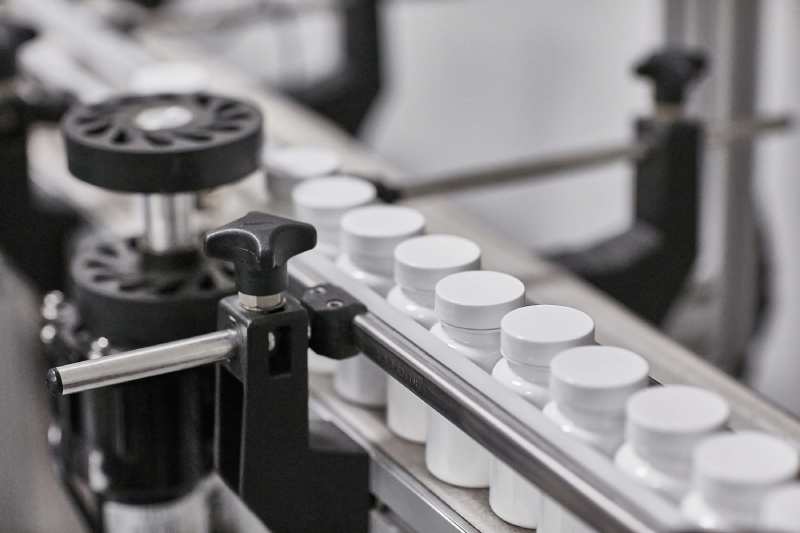
Co-packers already have the workforce and facility in place to handle any level of demand, providing businesses with rapid and simple scalability. Daily Manufacturing Solutions can fill 150,000 bottles per day or as many as 5,000,000 bottles per month.

Delivers faster turnarounds.

With high production capabilities and proven staff expertise, co-packers provide faster turnarounds than many businesses would be able to accomplish independently. Even large-volume orders or complex, specialty packaging is delivered to market with minimal lead times.

Brings certifications.

Co-packers are already registered with the FDA and feature many certifications another business might not have. This saves business owners the time and expense of obtaining third-party certifications themselves while allowing their products to adhere to the most stringent quality standards. Daily Manufacturing Solutions is ISO 9001:2015 and GMP-compliant.

Bringing a product to market is a complex and lengthy process. In addition to the previously discussed benefits, businesses that partner with an experienced co-packer receive support and guidance throughout each stage of production, from testing and development to labeling, packaging, and shipment.

Daily Manufacturing Solutions: Your Source for Comprehensive Co-Packer Services

Using a co-packer allows businesses of all sizes to obtain high-quality, expertly packaged goods in a way that is easily scalable and delivers cost savings. For over twenty years, Daily Manufacturing Solutions has provided state-of-the-art manufacturing and packaging services. We handle every stage of the packaging process, from design to delivery, allowing our customers to better control their costs and timelines. To get started on your next project, contact us or request a quote today.

Key Considerations for Private Label Manufacturers

Key Considerations for Private Label Manufacturers

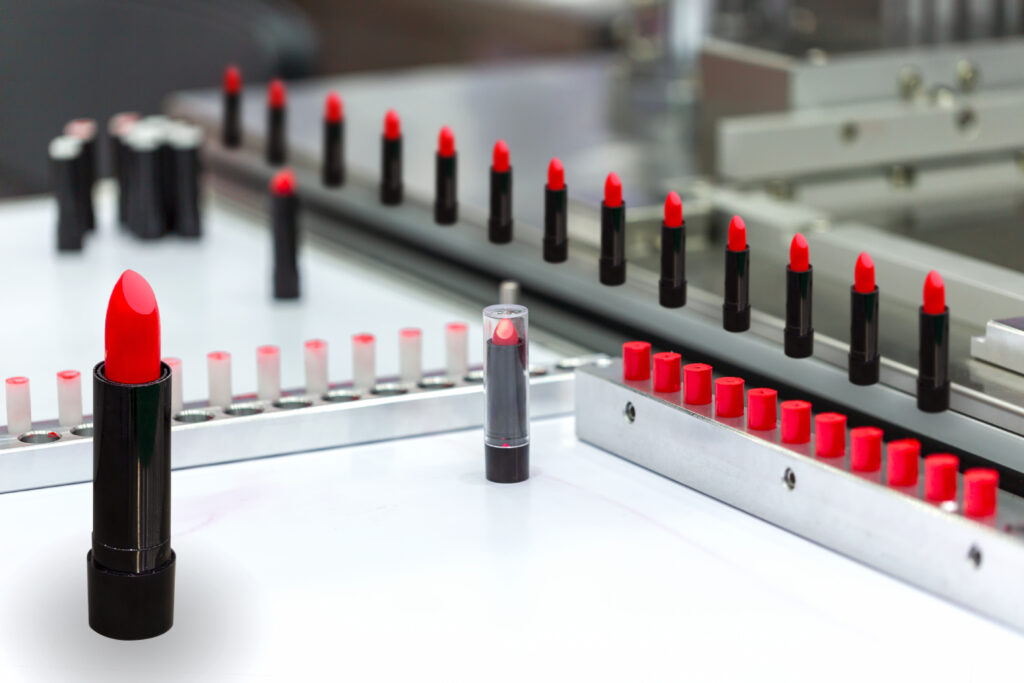
With private labeling, you can create your own line of cosmetic products without putting in extensive time and money for the research and development of a product formula. At Daily Manufacturing Solutions, we produce items that can be sold with your packaging and branding materials. We produce industry-acknowledged formulas and have a diverse set of manufacturing capabilities and advanced design services, allowing us to create a variety of products.

There are many benefits to private labeling; however, there are various factors to consider when selecting a private label cosmetic manufacturer to ensure optimal results.

Overview of Private Labeling

Private labeling involves contracting with a third-party manufacturer to create your products and label them with your brand. This allows you to reap the benefits of your own products without the research and investment involved with designing, formulating, testing, and producing them. Long popular in the fashion industry, private labeling has expanded to encompass products from food and beverage and cosmetics to pharmaceuticals and consumer goods.

Benefits to Private Labeling Cosmetic Products

When using a third-party manufacturer for your products, there are two common methods: private labeling and white labeling. With private labeling, you source your products from a manufacturer, which are then exclusively sold under your branding. With white labeling, manufacturers create generic products, which are sold by many retailers under their own name. Private labeling has the added benefit of being able to customize and develop products to incorporate your brand identity and style.

Other benefits of private labeling include:

High-quality products.

Due to product innovations and improved manufacturing processes, private label products have a reputation for having higher levels of quality and consistency.

Bulk purchasing.

With private labeling, you can buy your products in bulk to further reduce unit costs.

Brand loyalty and exclusivity.

Since private label products have a reputation for quality, customers tend to remain loyal to one brand. Having your own marketing identity creates a certain level of recognition and demand for your product.

Higher profit margins.

Private labeling eliminates the added cost of marketing, packaging, and manufacturing, which allows for higher profit margins.

Reduced operating costs.

Since private label products are created and shipped (typically in bulk) to a single retailer, it results in lower operating costs.

Market stability.

Since private label products are chosen for their quality, affordability, and consistency, they typically maintain steady sales even in economic downtimes.

Things to Consider When Looking for a Private Label Cosmetic Manufacturer

With so many choices in selecting a private label manufacturer for your products, it’s critical to evaluate them as carefully as you would any business partner. Some questions to ask and suggested steps to take as part of your research include:

Can you own the formula? Ensure you and the manufacturer are in agreement about who will own rights to product formulas.

Are ingredients safe? Verify the manufacturer complies with all required testing, standards, and regulations.

Sources and raw material quality. Investigate the origin and quality of product ingredients and materials.

Certifications. Check that the manufacturer is certified to produce your products.

Product samples. Any reputable private labeler can supply you with product samples so you know precisely what you’re purchasing.

Manufacturing costs & fees. Be sure to understand all costs and fees involved in creating your products.

Defective or damaged products. Explore how damaged or defective goods are handled and who bears any costs involved.

Private Label Cosmetic Manufacturing Services from Daily Manufacturing Solutions

At Daily Manufacturing Solutions, we have decades of experience manufacturing premium cosmetic and personal care products in our ISO 9001-certified, 45,000 square-foot facility. Our expert team is ready to bring your product and brand to life. Whether you’re a small business or a global brand, we welcome the opportunity to be your private labeling manufacturing partner. Contact us today to learn more about our capabilities, or request a quote for your private labeling products.